Our Mission &
Editorial Philosophy
Editorial Mission
End of the World Travel is an independent editorial project dedicated to documenting the geography, history, culture, and conservation of Southern Chile.
Unlike commercial travel sites, this publication is committed to a strict documentary approach. The project is designed to grow gradually, prioritizing the quality, accuracy, and depth of its information over rapid expansion.
To maintain this standard, all documentation relies heavily on official Chilean sources—including SERNATUR, CONAF, INACH, and the Armada de Chile—as well as academic research, ensuring a factual and respectful representation of the Magallanes Region.
Editorial Values
Independence
Content is created independently. We do not currently publish sponsored content or paid placements.
Depth
We aim to provide context, geography, history, and practical information rather than short promotional descriptions.
Responsibility
The environments we write about are among the most fragile on Earth. We take seriously our responsibility not only to inform travelers, but to promote travel practices that minimize impact and respect these places for future generations.
Documentary Focus
We employ a factual, third-person narrative style to document regions. We strictly avoid promotional language, focusing instead on objective geographic and cultural realities.
Accuracy
Information is rigorously reviewed against official Chilean institutional data, scientific publications, and regional historical archives to ensure integrity.
Beauty
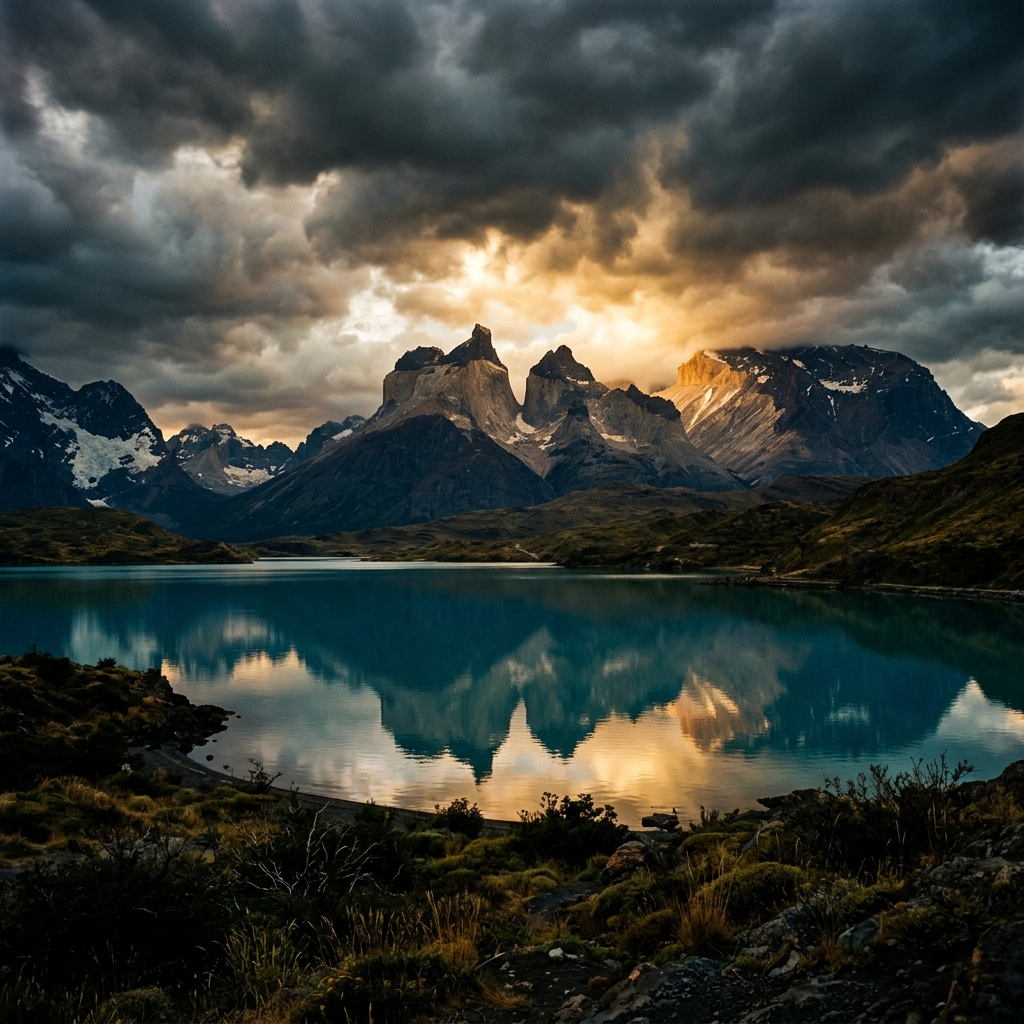
Photography and design help readers better understand places, landscapes, and travel routes.
The World We Cover
Our editorial focus is narrow and intentional. We focus on Southern Chile, Tierra del Fuego, Cape Horn, Puerto Williams, and Antarctica.
Puerto Williams, Punta Arenas, Cape Horn, Beagle Channel, Strait of Magellan, Tierra del Fuego, Yendegaia National Park, Diego Ramírez Islands, and the hundreds of islands and channels of Chilean Patagonia.
The Vicuña-Yendegaia overland route, the Hardy Peninsula channels, the Brazo Noroeste of the Beagle Channel, and the remote western archipelagos of Chilean Patagonia accessible only by sea.