The Destination
The Last Places on Earth
Why Southern Chile?
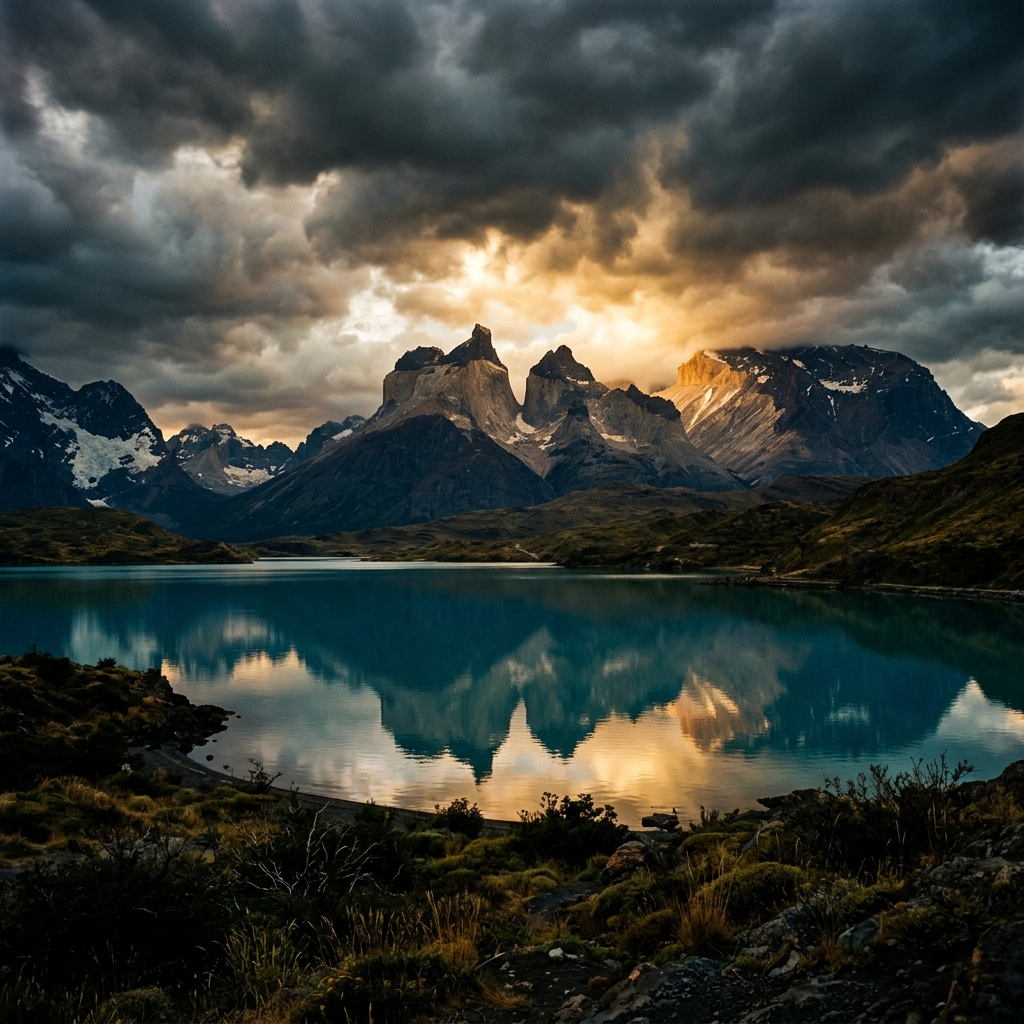
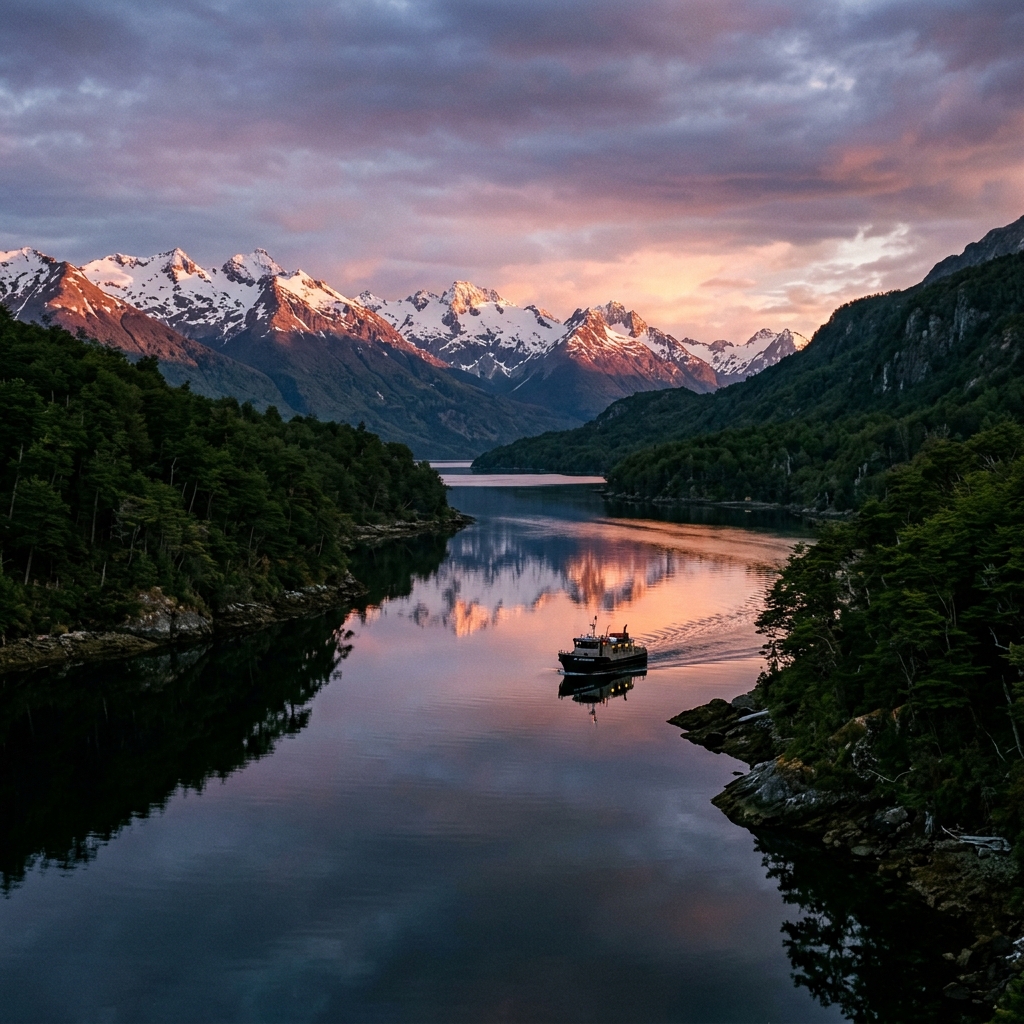
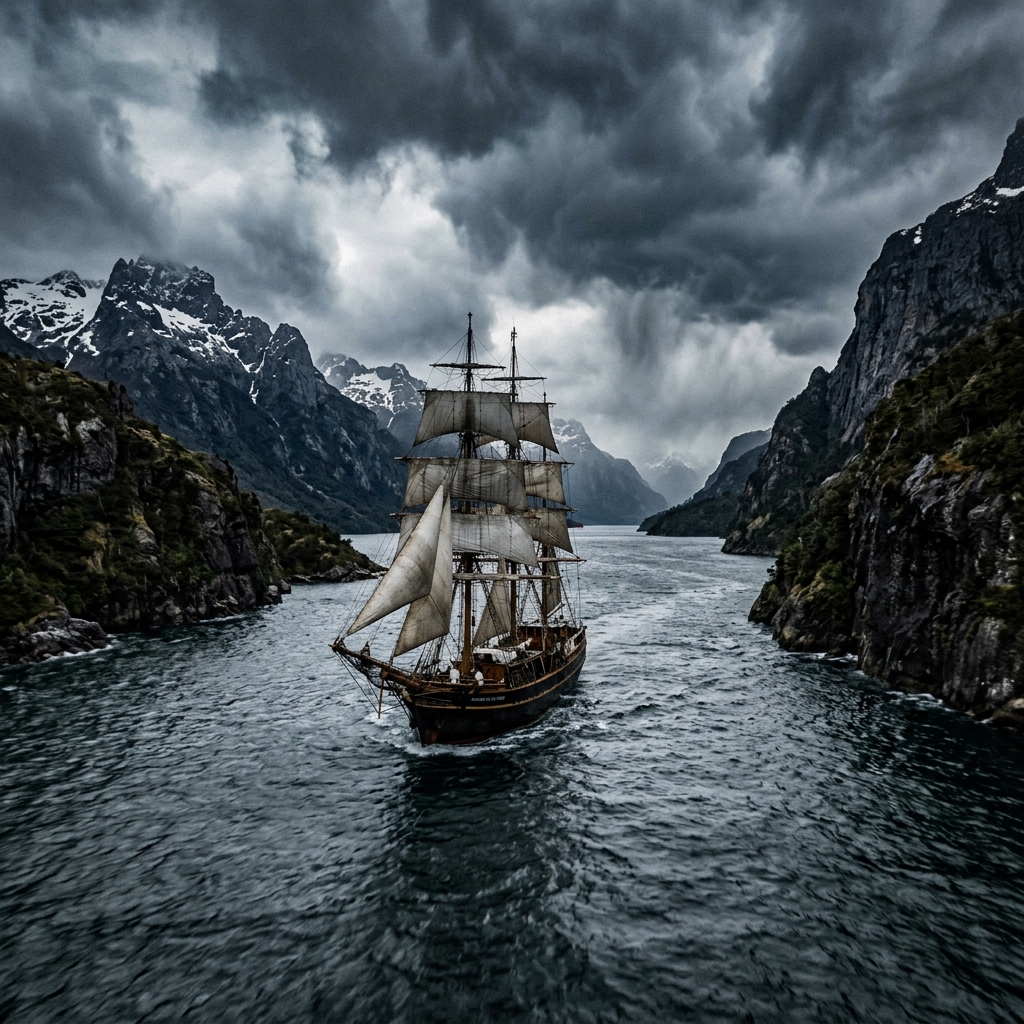
Southern Chile contains some of the most geographically distinctive landscapes on Earth. The Magallanes and Chilean Antarctic Region encompasses the Strait of Magellan, Tierra del Fuego, the Beagle Channel, the Cape Horn Archipelago, and the sub-Antarctic islands that extend toward the Southern Ocean. Together, these territories combine exceptional natural environments with centuries of maritime history and scientific importance.
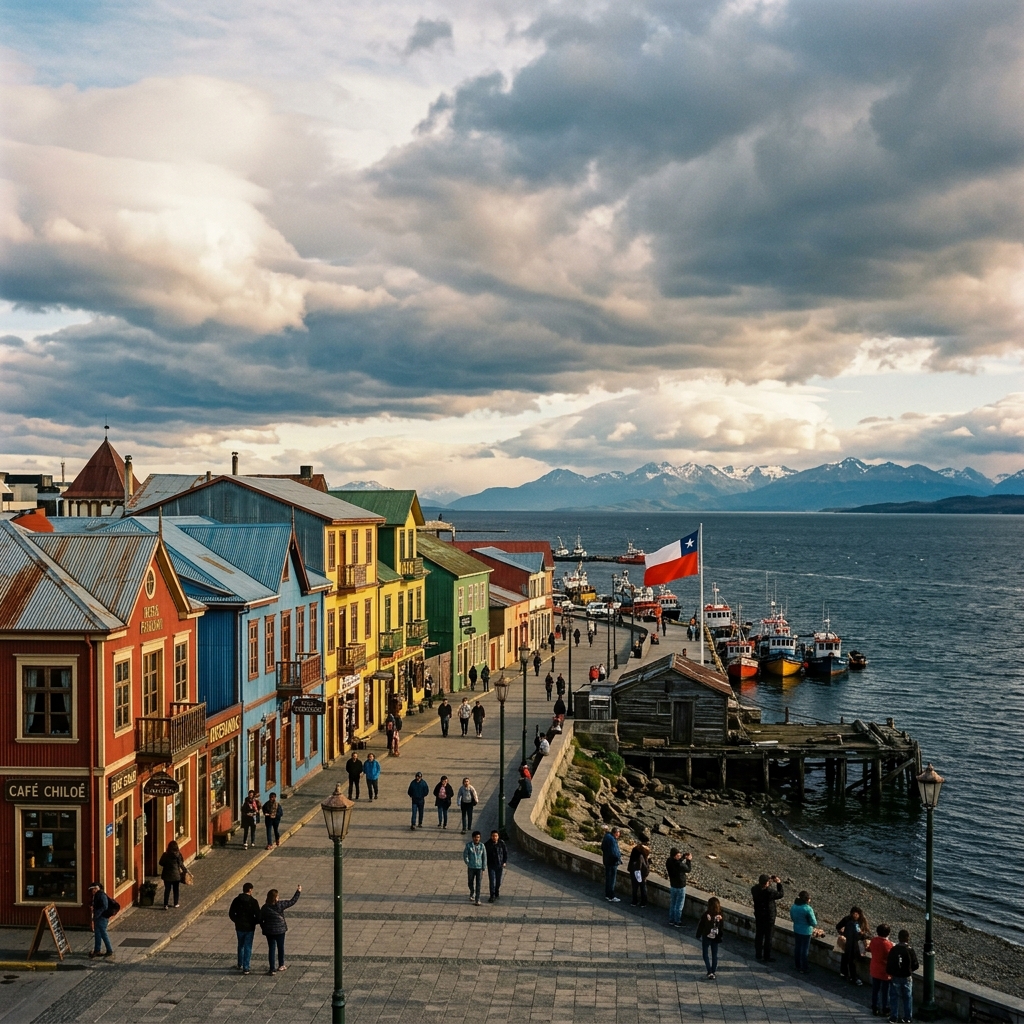
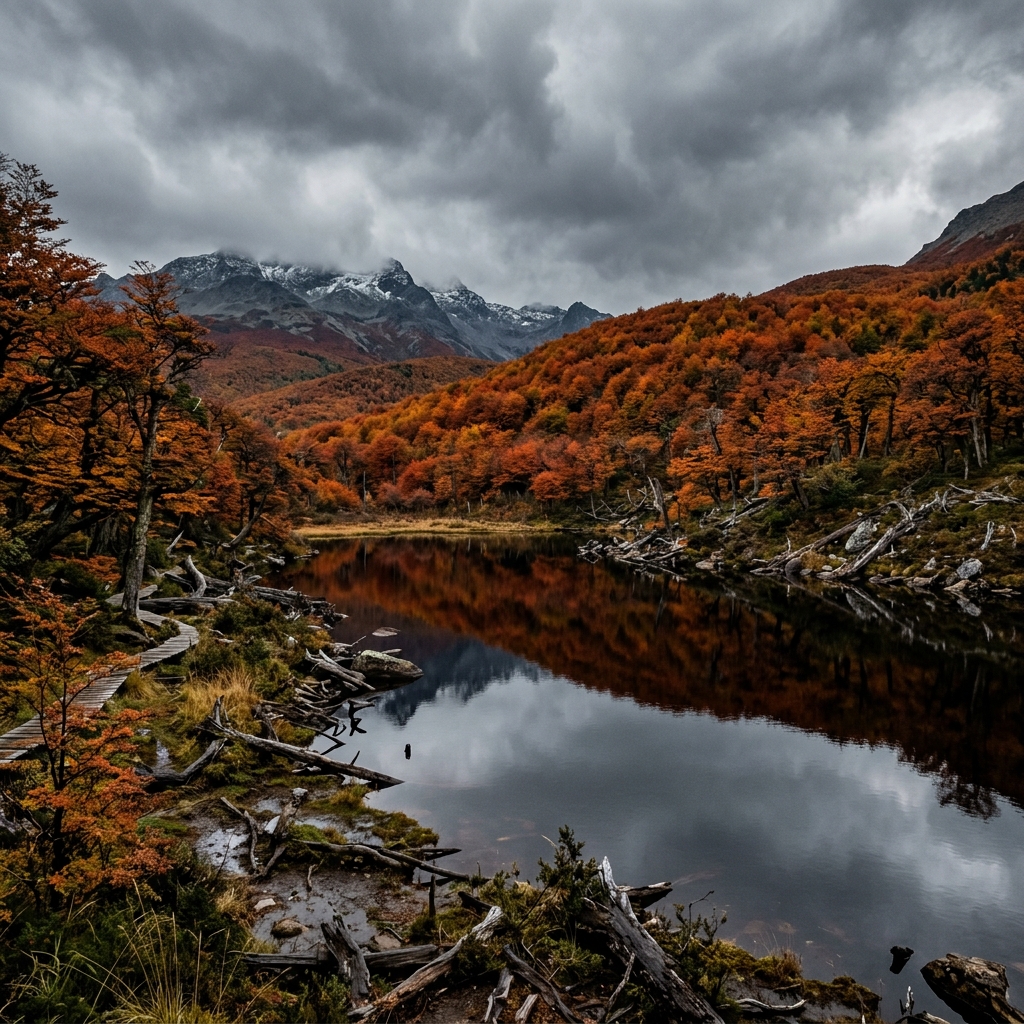
Unlike many heavily visited destinations, much of the region remains sparsely populated and closely connected to its natural environment. National parks, protected areas, historic navigation routes, coastal communities, and diverse wildlife form part of one of the world's largest continuous temperate wilderness regions.
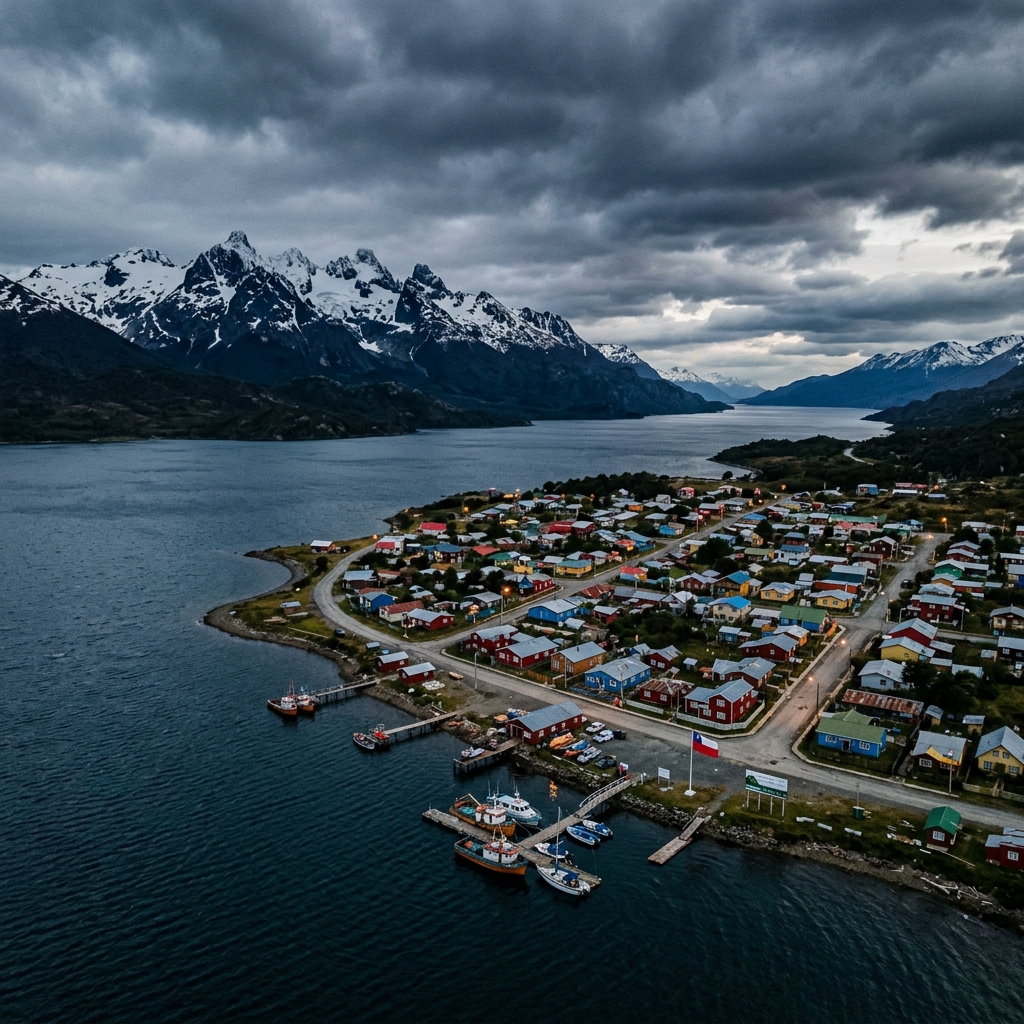
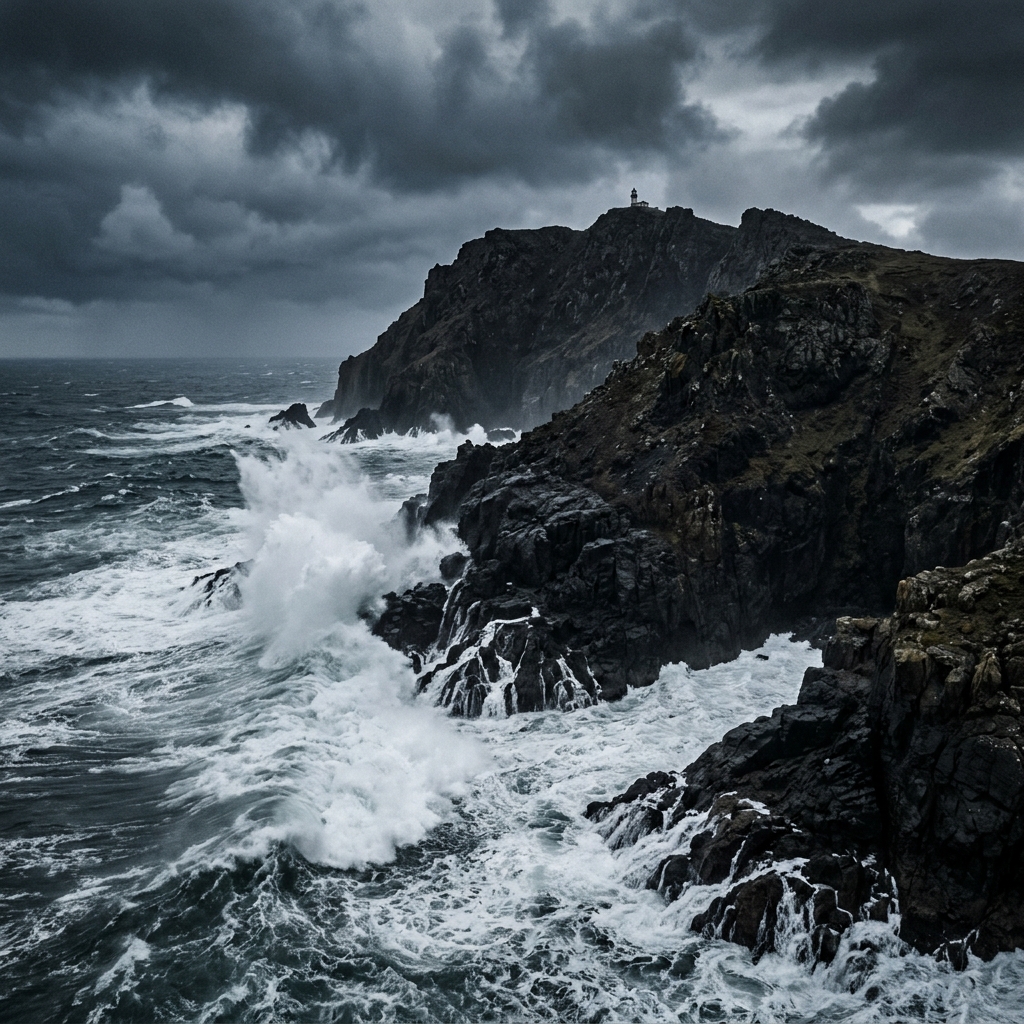
Cape Horn represents one of the best-known maritime landmarks in global navigation, marking the southern extremity of the American continent and forming part of the Cape Horn Biosphere Reserve. Nearby, Puerto Williams was recognized by Chile's National Statistics Institute (INE) in 2019 as the southernmost city on Earth. Located on Navarino Island, it serves as the principal administrative centre of the Commune of Cabo de Hornos and an important gateway to the surrounding archipelagos.
Farther south lie the Diego Ramírez Islands, Chile's southernmost islands, situated beyond Cape Horn in the Drake Passage. They represent the last land before Antarctica and protect one of the world's most significant seabird ecosystems.
From Punta Arenas, Chile maintains one of the world's principal logistical and scientific gateways to Antarctica through the Chilean Antarctic Institute (INACH), national research programmes, expedition vessels, and specialized air operations serving the Antarctic region.